October is closing out with a lot of news packed into one week. Mortgage rates eased for a second straight week, a new national report confirmed that the San Jose metro is still the most expensive housing market in the country, and Redfin reported the first year over year dip in the national median sale price in roughly three years. At the same time, the calendar is turning toward the holidays, the season when Bay Area listings thin out and the buyers who stay active tend to be the serious ones.
So what does all of that add up to for you? Below I recap the latest sourced numbers for the Bay Area and Silicon Valley, then turn them into a practical November playbook. Every figure is linked to its source at the bottom of the post.
October 2026 at a glance: the numbers that matter
Here are the key figures released over the past two weeks, with the data period each one covers:
- 30 year fixed mortgage rate: 7.24% for the week ending October 29, down from 7.32% the week before, but up from 6.17% a year ago (Freddie Mac).
- 15 year fixed mortgage rate: 6.60%, down from 6.68% the prior week, versus 5.41% a year ago (Freddie Mac).
- San Jose Sunnyvale Santa Clara metro median, Q3 2026: $1,920,000, up 0.3% from a year earlier and the highest of any U.S. metro (National Association of Realtors).
- San Francisco Oakland Hayward metro median, Q3 2026: $1,350,900, up 2.7%, third most expensive in the nation (NAR).
- Bay Area regional median, September 2026: $1,325,000, up 4.2% from August and 1.9% from a year earlier (California Association of Realtors).
- Santa Clara County single family median, September 2026: $1,920,000 per C.A.R., down 4.0% year over year, with sales up 15.3% from August and 1.5% from last year.
- Santa Clara County, local MLS view: $1,880,000 median on 726 single family sales in September, average 27 days on market (Santa Clara County Association of Realtors).
- U.S. median sale price, four weeks ending October 25: $389,601, down 0.1% year over year (Redfin).
Mortgage rates: a small but welcome step down
Rates have been the story of the fall. In early October, NBC Bay Area reported rates had jumped as high as 7.5%. By October 29, Freddie Mac’s weekly survey had the 30 year fixed at 7.24%, which Freddie Mac chief economist Sam Khater described as the lowest level this month, “modestly boosting purchasing power for prospective buyers.”
To put that in Bay Area terms, here is the principal and interest payment on a $1,000,000, 30 year loan at each rate (my own calculation, before taxes and insurance):
- At 7.5%: about $6,992 per month
- At 7.32%: about $6,869 per month
- At 7.24%: about $6,815 per month
- At 6.17%, where rates were a year ago: about $6,105 per month
The move from 7.5% down to 7.24% saves roughly $177 a month on a million dollar loan. That is helpful, but it does not erase the roughly $700 a month gap compared with last fall. Affordability is improving at the margin, not resetting.
Earlier this week the Federal Reserve held its policy rate steady, which I covered in detail in what the October 28 Fed decision means for Bay Area buyers and sellers.
Prices: the Bay Area is holding up while the nation flattens
Redfin’s report released October 29 grabbed national headlines: for the four weeks ending October 25, the U.S. median sale price slipped 0.1% year over year to $389,601. Redfin also reported pending sales down 15.9% from a year earlier and said pending sales declined in all 50 of the most populous metro areas for a third straight week.
The Bay Area tells a different story. NAR’s third quarter metro report, released the same day, put the San Jose metro at a $1.92 million median, up 0.3%, and the San Francisco Oakland metro at $1,350,900, up 2.7%. NAR chief economist Lawrence Yun said “the artificial intelligence technology boom continues to push Bay Area home prices higher,” keeping the region the most expensive in the country. Nationally, NAR reported a third quarter median of $432,900, up 1.7%, with prices rising in 78% of metro areas.
Within the Bay Area, the September county numbers from C.A.R. show just how uneven the region is right now:
- San Francisco: $2,054,000, up 17.4% year over year, sales up 6.2%
- San Mateo: $2,327,500, up 8.3%, sales down 8.6%
- Santa Clara: $1,920,000, down 4.0%, sales up 1.5%
- Alameda: $1,265,000, up 1.2%, sales down 4.4%
- Contra Costa: $870,000, up 0.1%, sales down 5.7%
Santa Clara County is the interesting one. Its median is down from a year ago, yet more homes are selling, and the month over month trend turned up in September. The Santa Clara County Association of Realtors reported similar direction on its own data: a $1,880,000 single family median, down 4% from last year but up 1.6% from August, on 726 sales, up 3.7% year over year. Part of a falling median can simply reflect which homes sold in a given month, a mix that shifts with the season, so I always pair the median with neighborhood level comparable sales before advising on price.
Inventory and pace: a little less rushed
Statewide, C.A.R. reported that active listings in September rose 0.5% from a year earlier, the first annual increase in eight months. Homes still sold at a median of 29 days, faster than the 32 days a year earlier, and the statewide sale to list price ratio was 98.8%. C.A.R. President Tamara Suminski summed up the mood well, saying the market “feels a little less rushed, giving buyers more time to carefully consider their options.”
In Santa Clara County, SCCAOR’s figures show the average single family home took 27 days to sell in September, up from 25 days in August and 25 days a year ago. It is a small but real signal that buyers are taking time to compare.
Looking ahead, C.A.R. chief economist Jordan Levine noted that September’s decline in pending sales “suggests that California could see further softening in closed transactions,” while adding that slower sales may not bring a comparable drop in prices in the near term. Put simply: expect fewer closings over the holidays, not a price collapse.
The two speed market: entry level versus luxury
One theme has stuck all fall. NBC Bay Area reported in October that first time buyers face high down payments, rates in the 7% range and the temptation to wait for lower prices, while the luxury tier, homes at $6.5 million and up, has less inventory and is selling faster. Zillow senior economist Kara Ng told NBC that buyers with growing equity have more buying power, and luxury homes are often purchased by all cash buyers drawing on stock and existing equity.
Your November playbook: what this means for buyers
1. The holiday window is real
Between Thanksgiving and New Year’s, many buyers pause. With national pending sales down 15.9% year over year and a California market that feels less rushed, November and early December can mean fewer competing offers on the homes that are listed. Holiday sellers are often motivated.
2. Get a fresh preapproval at today’s rate
If your preapproval was written when rates were near 7.5%, ask your lender to rerun it. Even a quarter point can change your price range on a Bay Area loan. Ask about rate locks and float down options too, since rates have moved week to week this fall.
3. Negotiate on more than price
With homes taking a few days longer to sell, look for room on inspection repairs, closing timelines or seller credits that can buy down your rate. Well priced homes in desirable San Jose neighborhoods still draw multiple offers, so read each listing on its own. My guide on how to make a competitive offer in San Jose walks through when to push and when to compete.
4. First time buyers: run the full numbers
Condos, townhomes and homes in more affordable South Bay areas can be the door into ownership. Include HOA dues, property taxes and insurance in your budget, and check down payment assistance programs. The First Time Homebuyer’s Guide to San Jose is a good starting point.
Your November playbook: what this means for sellers
1. Price for the market you are in today
Santa Clara County’s median is below last year’s, inventory statewide is rising for the first time in months, and buyers are taking longer to decide. Pricing from recent neighborhood sales, not from spring 2026 headlines, is the single biggest factor in how fast you sell and how close to asking you get.
2. Listing in the holidays can work in your favor
Fewer homes typically come to market in November and December, which means less competition for your listing. The buyers still shopping are usually motivated, relocating for work or needing to move before the new year. A warm, well lit, staged home photographs beautifully this time of year.
3. Or prepare now for an early 2027 launch
If you would rather wait, use the next eight weeks to handle repairs, pre inspections, disclosures and staging plans so you can list as soon as buyers return in the new year. My recent Santa Clara County seller guide has a fuller checklist.
4. Consider buyer incentives
With rates still above 7%, a seller paid rate buydown or closing cost credit can widen your buyer pool more than an equal price cut. We can model both options against your net proceeds.
City and neighborhood notes for the South Bay
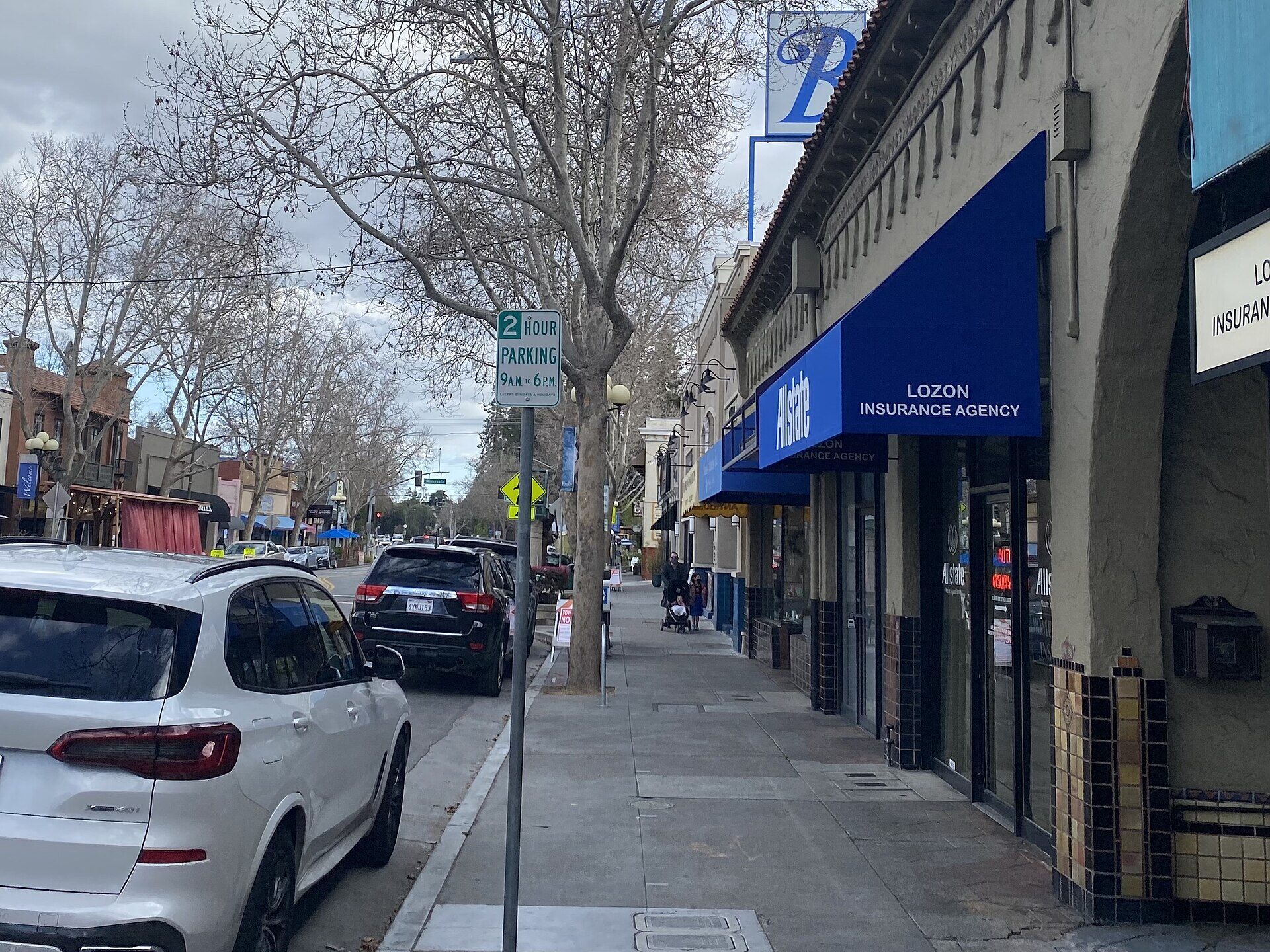
San Jose. As the largest city in the most expensive metro in the country, San Jose covers a wide range, from condos downtown and in North San Jose to classic single family neighborhoods like Willow Glen, Rose Garden, Cambrian and Almaden Valley. Expect established, well kept homes near top schools and parks to keep drawing strong interest, while condo and townhome buyers have more time and leverage this season.
West Valley: Cupertino, Saratoga, Los Gatos, Campbell. These cities sit closest to the tech employers driving the AI boom Yun described, and their school districts keep demand steady. Inventory is tight at the top end, which matches the faster luxury pace NBC and Zillow reported.
Milpitas, Berryessa and Evergreen. Newer construction, BART access in Milpitas and Berryessa, and comparatively lower prices make these areas popular with first time and move up buyers who are the most sensitive to rates, so a week of lower rates can bring a quick bump in showings here.
Frequently asked questions
Are Bay Area home prices dropping?
Not across the board. C.A.R. reported the Bay Area regional median at $1,325,000 in September, up 1.9% from a year earlier, and NAR reported the San Jose metro up 0.3% in the third quarter. Santa Clara County’s single family median was down about 4% year over year in September, but rose month over month. It depends heavily on the county, city and price range.
What are mortgage rates right now?
Freddie Mac’s survey for the week ending October 29, 2026 averaged 7.24% for a 30 year fixed and 6.60% for a 15 year fixed. Your own rate depends on credit, down payment and loan type, so get a personalized quote.
Is November a good time to buy a home in San Jose?
For prepared buyers it often is. There are typically fewer competing buyers during the holidays, sellers who list now tend to be motivated, and rates just eased to their lowest level of the month. Selection is smaller, so be ready to act when the right home appears.
Should I wait until spring 2027 to sell?
It depends on your goals. Listing now means less competition; spring brings more buyers but also more listings. Preparing now and listing early in the year can catch the first wave of demand.
The bottom line
October ends with a Bay Area market that is calmer than the headlines suggest. Rates are easing slowly, buyers have a little more time, and prices in Silicon Valley remain the highest in the nation, holding steady rather than falling sharply. For buyers, the holiday season can be a quieter window to find the right home. For sellers, accurate pricing and strong presentation matter more than ever, whether you list now or prepare for early 2027.
Every neighborhood moves at its own pace, and the right strategy depends on your timeline and goals. If you are thinking about buying or selling in San Jose, Santa Clara County or anywhere in the South Bay, I would love to help you build a clear plan using the latest local numbers. Call or text Najwa Khoury at 408-477-6262 or visit NajwaRealEstate.com to set up a no pressure consultation.
Najwa Khoury, Real Brokerage, DRE #02026194
Sources
- Freddie Mac, “Mortgage Rates Decline Further to 7.24%,” October 29, 2026
- National Association of Realtors, Q3 2026 metro home prices, October 29, 2026
- California Association of Realtors, September 2026 home sales and price report, October 19, 2026
- Santa Clara County Association of Realtors, September 2026 housing statistics
- Redfin weekly housing report for the four weeks ending October 25, 2026, via WRE News
- NBC Bay Area, “Bay Area housing market squeezes first-time buyers while luxury homes boom,” October 6, 2026