The Federal Reserve made its call this morning. On Wednesday, October 28, 2026, policymakers voted 10–2 to hold the federal funds rate at 3.75% to 4%, pausing after September’s quarter-point hike. The two dissenters wanted to raise rates again, and futures markets now see a strong chance of a hike at the Fed’s final meeting of the year on December 8–9. For anyone planning to buy or sell a home in San Jose, Santa Clara County or the wider Bay Area, the next six weeks matter. Here is what the decision means for mortgage rates, how it lines up with the latest South Bay housing numbers, and how buyers and sellers can use the window between now and the December meeting.
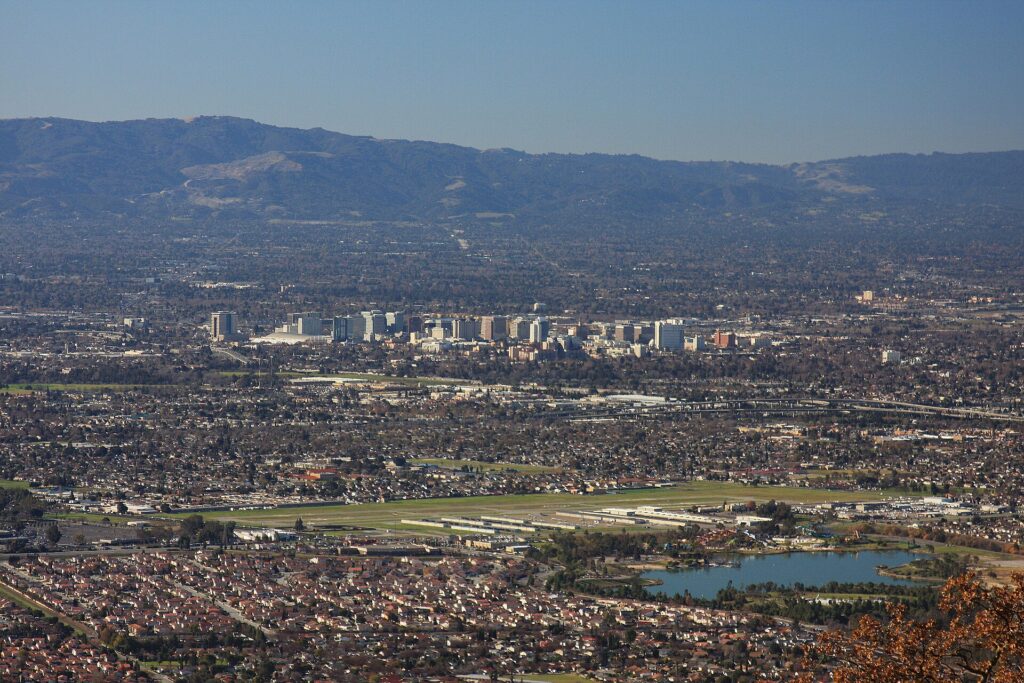
What the Fed Decided on October 28, 2026
The headline was expected. Nearly everyone forecast a pause this month, and the Fed delivered one. The details are what home shoppers should pay attention to.
- The rate: The federal funds target range stays at 3.75% to 4%, following a 25-basis-point increase in September that was the Fed’s first hike since July 2023 (Fox Business).
- The vote: 10–2. Fed Governor Lisa Cook and Cleveland Fed President Beth Hammack dissented because they preferred another quarter-point increase now (Yahoo Finance live coverage).
- The statement: The Fed upgraded its description of economic growth from a “solid” pace to a “strong” pace. It also dropped language saying its policy action “will support” a return to 2% inflation and said instead that “the accumulation of more information will help” it decide what to do next. In plain terms, the Fed is waiting to see more data before it moves again.
- The backdrop: Consumer prices rose 3.7% in the year through September, a four-month high driven largely by fuel costs, while employers added just 29,000 jobs in September after 162,000 in August, according to Bureau of Labor Statistics figures reported by ABC News.
- December odds: Traders priced roughly an 84% chance of a quarter-point hike at the December 8–9 meeting, according to CME FedWatch data cited in Yahoo Finance’s coverage.
That mix of inflation running well above the 2% target, slowing job growth and two officials already pushing for a hike explains why mortgage rates have stayed stubbornly above 7%. It also explains why buyers shouldn’t expect today’s pause to bring quick relief.
Why a Fed “Hold” Doesn’t Mean Lower Mortgage Rates
Many people assume mortgage rates move in lockstep with the Fed. In reality, the Fed sets a short-term, overnight rate. A 30-year fixed mortgage is priced off longer-term bonds, mainly the 10-year Treasury yield, plus a spread that reflects lender risk and demand for mortgage-backed securities.
The 10-year yield was already about 5.02% this morning before the announcement, up three basis points on the day (Yahoo Finance). When the bond market expects higher inflation and more Fed tightening, long-term yields stay high, and so do mortgage rates, even in a month when the Fed does nothing. Markets have largely priced in a December hike, so the bigger risk for rates is a surprise. Hotter inflation data in November could push yields higher still. Weaker jobs data could pull them down.
Where mortgage rates stand right now
- Freddie Mac (week of October 22): The 30-year fixed averaged 7.32%, down from 7.40% the prior week but up from 6.19% a year ago. The 15-year averaged 6.68%. Freddie Mac’s next weekly reading is due Thursday, October 29.
- Mortgage Bankers Association (week ending October 23, released this morning): The 30-year conforming rate fell to 7.37% from 7.41%, the 30-year jumbo rate fell to 7.28% from 7.33%, and the 5/1 ARM fell to 6.41% from 6.46%. It was the second straight weekly decline, MBA economist Joel Kan said (HousingWire).
- Buyer activity: Purchase applications rose 4% for the week but were still 18% below the same week last year. ARMs made up 11.3% of all applications.
One detail matters a lot in Silicon Valley. MBA defines a jumbo loan as anything over $832,750, and most South Bay single-family purchases fall in that range. Jumbo rates are currently running slightly below conforming rates in MBA’s survey. Well-qualified buyers here may be offered better pricing than the national headlines suggest, so shopping several lenders is worth the effort.
The Housing Numbers Behind This Decision
We covered the full September data in our October 26 Bay Area market update and broke it down city by city in yesterday’s Silicon Valley city report. Here is the short version that frames today’s decision:
- Santa Clara County single-family median: $1,920,000 in September, down 4.0% year over year (California Association of REALTORS®). The Santa Clara County Association of REALTORS® reported $1,880,000, also down 4%, on 726 sales, with an average of 27 days on market.
- Single-family inventory: 993 active listings, up 18.6% from a year earlier, with 546 pending sales (down 8.5%) and a 103.6% sale-to-list ratio (RE Report / Pope Handy).
- Condos and townhomes: median $862,500, down 8.1% year over year. Inventory rose 17.9% to 711, homes averaged 39 days on market, and sale-to-list was 100.1%. One encouraging sign: condo pending sales rose 10.9% from a year ago (RE Report).
- Bay Area region: median $1,325,000, up 1.9% year over year, with sales down 3.1%. San Francisco was up 17.4% and San Mateo County up 8.3% (C.A.R.).
In short, the South Bay is softer than it was a year ago, but it hasn’t flipped to a buyer’s market. Single-family homes still sell above list on average. The rate-sensitive part of the market, especially condos, townhomes and first-time buyers, is where the Fed’s path matters most.
What Today’s Decision Means for Buyers
1. Plan around a 7%+ rate, not a hoped-for drop
With two dissents in favor of a hike and markets leaning toward a December increase, the realistic baseline for the rest of 2026 is mortgage rates around where they are now, with some risk of moving higher. Build your budget at today’s rates. If rates fall in 2027, a refinance is a bonus, not the plan.
2. Know what a quarter point costs you
As a rough guide, each 0.25-point move in a 30-year rate changes the monthly principal and interest on a $1,000,000 loan by about $170. Some illustrative examples using this week’s MBA averages:
- Typical county condo: At the $862,500 median with 20% down, a $690,000 conforming loan at 7.37% is about $4,763 a month in principal and interest.
- Typical county single-family home: At the $1,920,000 C.A.R. median with 20% down, a $1,536,000 jumbo loan at 7.28% is about $10,510 a month. The same loan on a 5/1 ARM at 6.41% starts around $9,618, roughly $890 less per month for the first five years.
- If rates rise a quarter point: That same $1,536,000 jumbo loan at 7.53% would be about $10,772 a month, roughly $260 more than today.
These are estimates for illustration only. They exclude property taxes, insurance and HOA dues, and they are not financial advice. Your rate depends on your credit, down payment and lender.
3. Lock strategically in the next six weeks
If you’re in contract or close to it, talk with your lender about lock periods and float-down options before the December meeting. Rate locks protect you if November’s inflation and jobs reports surprise to the upside. If you’re still shopping, a fully underwritten pre-approval lets you move quickly when the right home appears. Our First-Time Homebuyer’s Guide to San Jose walks through each step.
4. Use the softer segments to your advantage
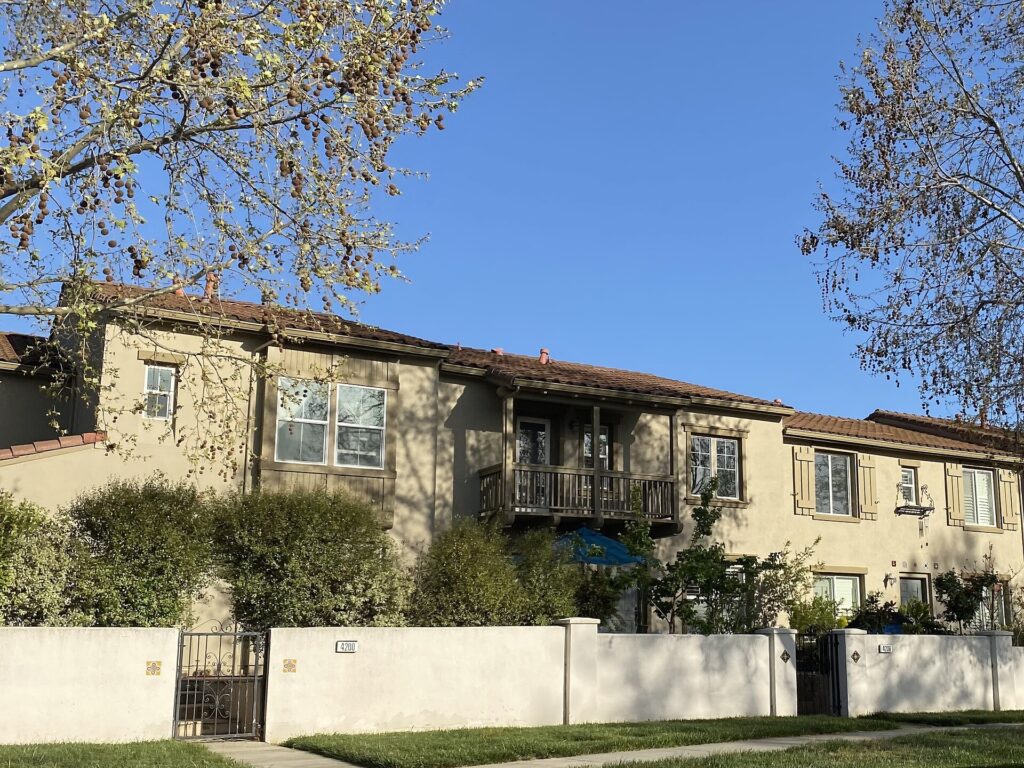
Condos and townhomes offer the most leverage right now: prices are down about 8%, inventory is up nearly 18% and homes sit for weeks rather than days. That gives buyers room to ask for seller credits toward a rate buydown, which can cut your monthly payment more than an equal price reduction. Before you write an offer on an attached home, review our guide to HOA rules and fees for San Jose condo buyers.
5. Weigh an ARM carefully
The gap between the 5/1 ARM and the 30-year fixed is close to a full percentage point. That’s meaningful savings, and ARM share of applications has risen to 11.3%. But with the Fed still tilting toward hikes, you should only consider an ARM if you could comfortably handle a higher payment after the fixed period ends, or if you’re confident you’ll sell or refinance before then. Our Rent vs. Buy in San Jose breakdown can help you decide whether buying makes sense for your timeline at all.
What Today’s Decision Means for Sellers
Your buyer pool is rate-sensitive
Purchase applications are still 18% below last year, and pending single-family sales in the county were down 8.5% in September. Fewer buyers are qualifying at 7%+ rates, so the ones still shopping compare homes carefully. Price to current comparable sales, not last spring’s peak, and expect buyers to ask about credits.
Offer financing help instead of only cutting price
A seller-paid rate buydown or closing-cost credit can make your home affordable to more buyers at a lower net cost to you than a big price cut. With jumbo rates near 7.28% and the ARM near 6.41%, a well-structured credit can reduce a buyer’s monthly payment by hundreds of dollars. Advertising that option in your listing helps you stand out.
The late-fall window can work for you
Listing between now and the December Fed meeting means less competition than in spring, and the buyers who are out in November tend to be motivated. If a December hike nudges rates higher, some of those buyers will want to lock in before year-end. Single-family homes still sold for about 103.6% of list in September, so well-prepared homes in strong neighborhoods continue to do well. See our seller services page for how Najwa plans pricing, preparation and launch timing.
Condo and townhome sellers need extra preparation
With 89 days of condo inventory in the county, attached-home sellers face the most competition. Gather HOA financials, the reserve study and a list of recent upgrades before listing. Price so your home looks like the best value in its complex, not the most ambitious.
City and Neighborhood Notes
The impact of rates isn’t the same everywhere in the Bay Area. Here is how to think about it locally:
- San Jose: Detached homes in Willow Glen, Cambrian and Almaden Valley remain the most resilient, while condo-heavy parts of downtown and North San Jose are the most rate-sensitive. Redfin’s September data put the San Jose median near $1.35 million, down about 5% year over year, with a median of 22 days on market.
- Sunnyvale, Mountain View and Cupertino: Buyers here are more likely to have equity and stock wealth, so higher rates have dampened demand less. Homes in these cities still sold quickly and above list in September.
- Milpitas and parts of East San Jose: These areas have more newer townhomes and condos and more first-time buyers, so they feel each rate move more directly. They also offer the most negotiating room.
Key Dates to Watch Before the December Fed Meeting
- October 29: Freddie Mac’s first weekly rate survey since today’s decision.
- November: October jobs and inflation reports, plus October local sales data from SCCAOR and C.A.R.
- December 8–9: The Fed’s final 2026 meeting, with updated economic projections.
Frequently Asked Questions
Did the Fed raise rates on October 28, 2026?
No. The Fed held its benchmark rate at 3.75% to 4% in a 10–2 vote. Two officials, Governor Lisa Cook and Cleveland Fed President Beth Hammack, dissented in favor of a quarter-point hike.
Will mortgage rates go down after the Fed’s pause?
Not necessarily. Mortgage rates follow the 10-year Treasury yield, which was around 5% this morning. With inflation at 3.7% and markets pricing a likely December hike, rates may stay near current levels. MBA’s survey showed rates dipping for two straight weeks, but that trend could reverse if November’s data comes in hot.
What is the current jumbo mortgage rate?
MBA’s survey for the week ending October 23 put the average 30-year jumbo rate (loans over $832,750) at 7.28%, slightly below the 7.37% conforming average. Rates vary by lender, credit and down payment.
Should I buy now or wait until after the December Fed meeting?
If you find the right home and can afford the payment at today’s rates, waiting may not help. A December hike could push rates higher, and today’s higher inventory gives buyers negotiating room that may shrink if more buyers return later. Lock in a rate you can live with.
Talk With Najwa Khoury About Your Next Move
The Fed’s next move is uncertain, but your plan doesn’t have to be. Whether you’re deciding between a fixed rate and an ARM, figuring out whether to list before the holidays or wait for spring, or trying to understand what your home is worth after this fall’s shift, Najwa Khoury can give you a clear, data-based answer for your specific street and price range.
Ready to talk? Contact Najwa Khoury today for a free, no-obligation consultation, or request our free Bay Area market report to get updates like this every month.
Sources
- Fox Business, “October FOMC: Federal Reserve holds rates steady ahead of election” (October 28, 2026)
- Yahoo Finance, Fed meeting live updates (October 28, 2026)
- ABC News, Federal Reserve interest rate decision coverage (October 28, 2026)
- HousingWire, “Mortgage applications rebound 3.4% as rates decrease to 7.37%” (MBA Weekly Survey, October 28, 2026)
- Freddie Mac, “Mortgage Rates Decrease to 7.32%” (October 22, 2026)
- California Association of REALTORS®, September 2026 Home Sales and Price Report
- Santa Clara County Association of REALTORS®, Housing Statistics, September 2026
- RE Report / Pope Handy, Santa Clara County Local Market Trends (September 2026 data)
- Redfin, San Jose Housing Market (September 2026)
Last updated: October 28, 2026. Figures reflect the most recent published data at the time of writing; different sources measure medians differently. Payment examples are estimates for illustration only and are not financial advice.